

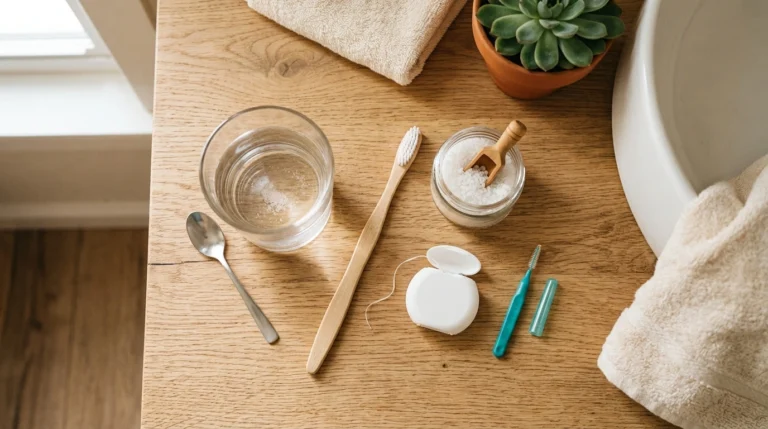
If you’ve typed “cocofloss” into Google lately, you’ve probably landed in a rabbit hole of follow-up questions — is it worth it, what is it made of, where to buy it, and how it stacks up against Cocolab’s other products or competitors like Burst Floss. This guide answers all of it in one place: what Cocofloss actually is, what’s inside it, how it compares to ordinary floss and water flossers, what dentists actually think of it, and whether it’s the right pick for your gums and your wallet.
This isn’t a sponsored post and it isn’t a takedown either — it’s a straightforward, research-backed breakdown written the way a dental-curious friend would explain it to you over coffee.
What Is Cocofloss?
Cocofloss is a textured dental floss made by Cocolab, a company founded by a dentist (Dr. Chrystle Cu) and her sister Cat Cu. Unlike traditional thin, slick floss, Cocofloss is woven with a plush, slightly fuzzy texture designed to grab and lift plaque and debris rather than just slide past it. It’s also infused with coconut oil, which is meant to glide more comfortably along the gumline and reduce the snapping, shredding, or gum-cutting feeling that turns a lot of people off flossing in the first place.
It comes in a wide range of flavors — Delightful Mint, Fresh Coconut, Cara Cara Orange, Pure Strawberry, Vanilla Bean, and seasonal or limited releases — and is sold as both a refillable spool-and-dispenser system and individual refills, which matters if you care about reducing plastic waste.
What Makes Cocofloss Different From Regular Floss?
1. The Texture
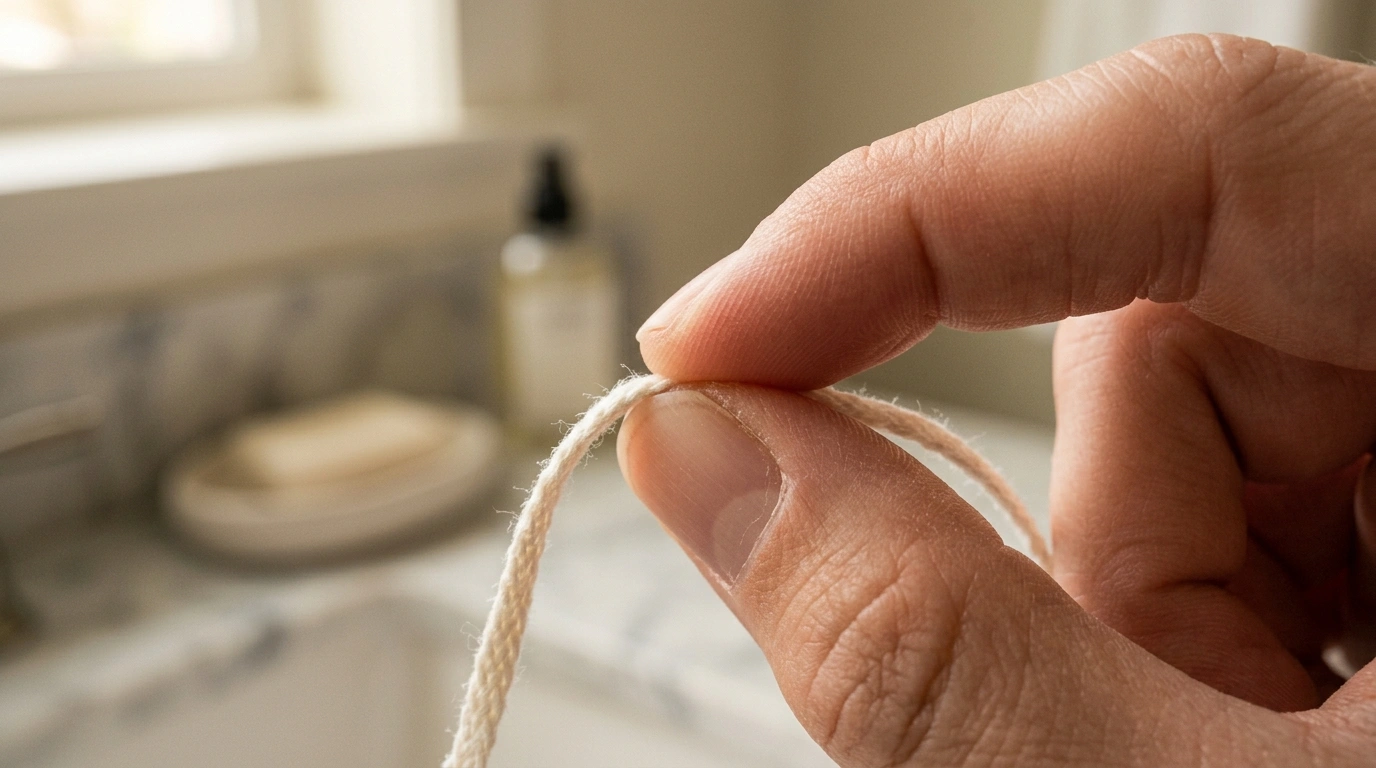
Standard floss is usually a single, thin, smooth strand. Cocofloss is constructed with a wider, woven, slightly textured thread that’s been compared by reviewers to “plush” or “fuzzy but not abrasive.” The idea is simple: a textured surface has more contact area to physically catch and remove plaque, food particles, and bacterial buildup, especially in tight spaces between back molars where flat floss can slip right past debris without grabbing it.
2. The Coconut Oil Infusion
Coconut oil has natural lubricating properties, which is why Cocofloss markets itself as gentler on sensitive or already-inflamed gums compared to plain waxed floss. For people who experience bleeding or soreness when they floss, a smoother glide can make the habit less painful and, in turn, more sustainable.
3. The Sensory/Habit-Building Angle
Cocolab leans heavily into making flossing feel less like a chore. Bright packaging, dessert-inspired and fruit-inspired scents, and a “fun-first” brand identity are a deliberate strategy: people are far more likely to floss daily if the product itself doesn’t feel clinical or unpleasant. This is backed by basic behavioral science — habits that feel rewarding are easier to stick to than habits that feel like a punishment.
4. It’s a CPD-Endorsed Product
Because it was created by a practicing dentist, Cocofloss frequently appears in dentist recommendations and editorial “best floss” roundups, and has earned mentions and awards from outlets like Allure’s Best of Beauty and Wirecutter, where reviewers have specifically praised its gentle-yet-effective texture compared to traditional floss.
Is Cocofloss Worth It? An Honest Breakdown
This is the single most-searched question around this brand, so let’s answer it directly.
Cocofloss is worth it if:
- You currently skip flossing because regular floss hurts, cuts your gums, or feels unpleasant
- You have mild gum sensitivity, occasional bleeding, or early-stage gingivitis symptoms (note: persistent bleeding gums should still be evaluated by a dentist)
- You want a floss that’s genuinely more effective at lifting plaque from between back molars, not just sliding through the gap
- You’re motivated by sensory experience — scent, texture, and overall “ritual” — as part of building a consistent habit
- You’re willing to pay a premium over a $2 drugstore floss for a noticeably different in-mouth experience
Cocofloss may not be worth it if:
- You already floss consistently and pain-free with a basic floss and have no complaints
- You’re extremely budget-conscious, since Cocofloss costs more per use than standard waxed floss
- You strongly prefer fragrance-free, flavor-free personal care products
- You have very tight contact points between your teeth, where a thicker, textured floss may feel harder to thread through (in this case, Cocofloss’s “Thin” variant is worth considering)
In short: the floss itself does the same fundamental job as any floss — removing plaque and debris from between teeth — but the texture and coconut oil formulation genuinely change the in-mouth experience, which is the deciding factor for most buyers.
What’s Cocofloss Made Of?
Cocofloss is made from a polyester-based, woven thread structure, finished with a coconut oil coating and flavoring. It’s PFAS-free in its current formulation (a detail worth confirming directly on the product packaging or Cocolab’s ingredient page, since formulations can be updated over time). The “plush” texture comes from how the threads are spun and woven together rather than from an added fiber coating, which is what allows it to expand slightly as it moves between teeth, increasing surface contact with plaque.
If you have a known sensitivity to specific waxes, flavorings, or coconut-derived ingredients, it’s worth checking the current ingredient list on the product page before purchasing, as formulations and flavors are periodically updated.
Do Dentists Like Cocofloss?
Generally, yes — with the usual dental caveat that “the best floss is the one you’ll actually use every day.” Because Cocofloss was developed by a dentist specifically to address common complaints (floss snapping, cutting gums, feeling too thin to clean effectively), many dental professionals view its textured design favorably, particularly for patients who struggle with flossing consistency. It has been featured and recommended across several dental and beauty editorial outlets specifically for being more comfortable on the gums than conventional floss.
That said, no single floss brand is universally “dentist-approved” in a formal sense — the American Dental Association doesn’t endorse specific commercial brands, but rather flossing as a category of behavior. What matters most clinically is technique (a gentle C-shape motion against each tooth surface, going slightly below the gumline) and consistency, not the specific brand in your hand.
Cocofloss vs. Other Options: Quick Comparisons
Cocofloss vs. Burst Floss
Burst Floss is another direct-to-consumer brand known for vegan wax-coated floss with a focus on minimalist, eco-conscious branding. The biggest practical difference is texture: Burst leans closer to a traditional thin, waxed floss experience, while Cocofloss is intentionally thicker and more textured for stronger plaque removal. If you prefer a familiar, slim floss feel, Burst may suit you better; if you want something designed to grab and lift debris more aggressively, Cocofloss has the edge.
Cocofloss vs. Water Flossers
Water flossers use a pressurized stream of water to dislodge food particles and plaque, and they’re genuinely useful for people with braces, implants, bridges, or limited dexterity. However, most dental research still supports traditional floss (or a textured floss like Cocofloss) as more effective at physically disrupting the sticky plaque biofilm that clings to tooth surfaces — water alone doesn’t always fully remove it. A common downside of water flossers is mess, the need for counter space and charging, and a learning curve to avoid splashing. For daily plaque control, many dental professionals recommend string floss as the primary method, with a water flosser as a helpful add-on rather than a full replacement.
Cocofloss Professional vs. Regular Cocofloss
“Cocofloss Professional” generally refers to bulk or in-office packaging sold to dental practices for patient giveaways, rather than a different formulation. If you’re searching for this term hoping for a stronger or more clinical-grade product, the floss itself is the same — it’s primarily a packaging and distribution difference for dental offices.
Cocofloss Thin vs. Original
For people with very tight spacing between teeth, the original textured Cocofloss can occasionally feel snug. Cocofloss now offers a “Thin” version that maintains the textured, coconut-oil-infused design but in a slimmer profile, making it easier to thread through tighter contact points without sacrificing the plaque-lifting texture.
Where to Buy Cocofloss (Including Cocofloss Canada, UK, Target, and Amazon)
Cocofloss is sold directly through Cocolab’s own website, which typically offers the widest flavor selection, subscription discounts (commonly around 10% off recurring orders), and exclusive bundles. It’s also available through major retailers including Amazon and Target in the US for those who prefer faster shipping or want to use existing loyalty points or gift cards.
For Cocofloss Canada and Cocofloss UK shoppers, international availability can vary by region and season — checking the official Cocolab site’s shipping policy or searching “Cocofloss near me” on a retailer locator is the most reliable way to confirm current local stock, since cross-border shipping costs and availability shift over time.
How to Use Cocofloss Properly (For Maximum Effectiveness)

Even the best floss only works as well as your technique. Here’s the method dental professionals generally recommend:
- Break off about 18 inches of floss and wind most of it around your middle fingers, leaving a couple of inches to work with.
- Hold the floss taut between your thumbs and index fingers.
- Gently guide it between two teeth using a back-and-forth motion — never snap it down, which can cut or bruise the gum.
- Curve the floss into a “C” shape against one tooth, then slide it gently below the gumline.
- Move the floss up and down a few times against that tooth surface, then repeat on the neighboring tooth before moving to the next gap.
- Use a clean section of floss as you move around your mouth to avoid redistributing bacteria.
- Pay special attention to your back molars, where plaque tends to accumulate fastest and where Cocofloss’s thicker texture is especially useful.
When and How Often Should You Floss?
Dentists generally recommend flossing once daily, ideally before bed, so food particles and plaque don’t sit between your teeth overnight when saliva flow (your mouth’s natural cleaning mechanism) slows down. Flossing before brushing can also help loosen debris so your toothpaste’s fluoride reaches more tooth surface area.
The 3-3-3 Rule and 2-2-2 Rule for Teeth, Explained
These two commonly searched “rules” are simple, memorable guidelines for oral hygiene, though they’re informal shorthand rather than official clinical standards:
- The 3-3-3 rule generally refers to brushing for at least 3 minutes (sometimes broken into roughly 30 seconds per quadrant, plus tongue), flossing once daily, and visiting your dentist twice (sometimes stated as 3 times) a year for checkups.
- The 2-2-2 rule typically refers to brushing twice a day for 2 minutes, and visiting the dentist roughly every 2 times a year (i.e., every 6 months).
Both versions point to the same underlying principle: consistency (daily brushing and flossing) plus regular professional checkups is what actually prevents cavities and gum disease — no single product replaces that combination.
What Floss Should You Use for Gingivitis?
If you’re dealing with gingivitis — gums that are red, puffy, or bleed when you brush or floss — a gentle, textured floss like Cocofloss can be a genuinely good fit, since its coconut oil coating and softer glide reduce additional irritation to already-inflamed tissue. However, floss alone won’t reverse gingivitis if plaque and tartar have already hardened along the gumline; that typically requires a professional cleaning. Pairing consistent gentle flossing with an antimicrobial or fluoride mouthwash, and a dental cleaning to remove existing tartar, gives you the best chance of reversing inflammation.
Is Gingivitis 100% Reversible?
Gingivitis, the earliest stage of gum disease, is generally considered reversible with consistent oral hygiene and a professional cleaning, since at this stage the inflammation hasn’t yet caused permanent damage to the bone or connective tissue supporting your teeth. However, if gingivitis is left untreated and progresses into periodontitis, that more advanced stage involves bone and tissue loss that isn’t fully reversible — though it can be managed and stabilized with treatment. This is exactly why catching and addressing gum inflammation early (with daily flossing, brushing, and dental visits) matters so much.
Can You Kiss Your Partner With Gingivitis?
Gingivitis itself isn’t classified as a contagious disease in the way a cold or flu is, but the bacteria associated with gum disease can be transferred through saliva, including through kissing. This doesn’t mean you need to avoid affection, but it’s a good reminder that both partners’ oral hygiene habits matter, and that ongoing gum inflammation is worth addressing with a dentist rather than ignoring, both for your own long-term oral health and general hygiene.
Can Yellow Teeth Turn White Again?
Surface-level yellowing caused by stains from coffee, tea, wine, or tobacco can often be improved through professional whitening treatments, whitening toothpaste used consistently over time, or good plaque control (since plaque buildup itself can dull the appearance of teeth). However, yellowing caused by thinning enamel exposing the naturally yellower dentin underneath is generally not reversible through whitening products alone, since whitening only affects surface stains, not the underlying tooth structure. A dentist can help determine which type of discoloration you’re dealing with and recommend the right approach.
What Are the Negatives of a Water Flosser?
While convenient for certain users, water flossers come with a few practical downsides worth knowing:
- They require counter space, charging, or batteries, making them less travel-friendly than string floss
- They can be messy until you get used to the angle and pressure
- Some research suggests they’re slightly less effective than string floss at fully disrupting plaque biofilm on tooth surfaces, particularly in very tight contact points
- They’re an added expense and another device to maintain, clean, and eventually replace
- They’re not always a full substitute for the mechanical action of floss directly against the tooth surface, especially below the gumline
For many people, a combination — string floss (like Cocofloss) for daily plaque removal, with a water flosser as a supplemental tool for braces, bridges, or hard-to-reach areas — offers the most thorough routine.
Final Verdict: Should You Buy Cocofloss?
Cocofloss earns its reputation less from reinventing what floss fundamentally does, and more from solving the real reason most people don’t floss consistently: it’s uncomfortable, boring, or both. By combining a textured, plaque-lifting thread with a coconut oil glide and genuinely pleasant scents, Cocofloss turns a habit people frequently skip into one they’re more likely to actually do every single day — and consistency, more than any single product feature, is what protects your gums long-term.
If you’ve struggled to stick with flossing because it hurts or feels unrewarding, Cocofloss is a reasonable, dentist-designed upgrade worth trying. If you already floss daily without complaint using a basic option, you may not notice enough of a difference to justify the price difference — though many existing flossers still switch simply for the more pleasant daily experience.
Whatever floss you choose, the habit itself is what matters most: daily flossing, twice-daily brushing, and regular dental checkups remain the foundation of healthy gums and a healthy smile.
