

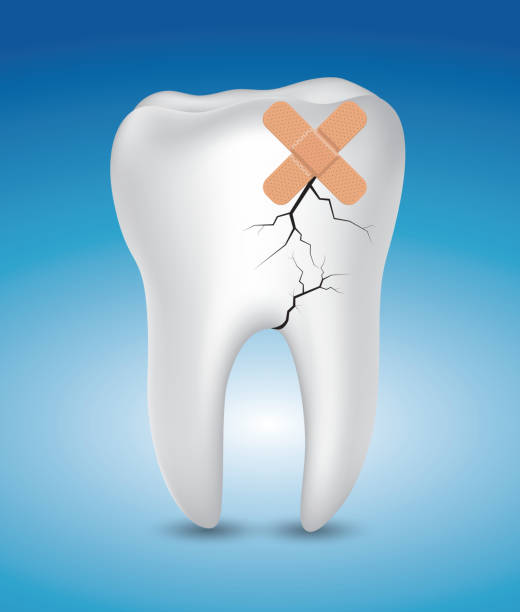
A cracked tooth rarely announces itself with a dramatic break. More often it starts as a sharp twinge when you bite down on something crunchy, or a brief zing of sensitivity when you sip an iced coffee. Because the pain comes and goes, many people put off getting it checked. The trouble is that cracks tend to grow over time, and what starts as a small problem can turn into a much bigger one.
This guide explains why teeth crack, the signs to watch for, and when a dental crown is likely to be the treatment your dentist recommends.
Why teeth crack in the first place
Teeth are strong, but they are not indestructible. Every day they handle a huge amount of pressure from chewing, and that load adds up over the years. Common causes of cracks include:
- Biting down on hard foods such as ice, hard lollies, popcorn kernels or nut shells
- Grinding or clenching, especially at night when you may not realise you are doing it
- Large old fillings that leave the remaining tooth structure thin and weakened
- Teeth that have had root canal treatment, which can become more brittle over time
- Sudden temperature changes, such as hot coffee followed by cold water
- A knock to the face during sport or an accident
Age plays a part too. Back teeth carry most of the chewing force, so molars and premolars in adults over 40 are the most likely to develop cracks.
Signs you might have a cracked tooth
Cracks can be tricky to spot. Some are too fine to see in a mirror, and they do not always show up clearly on an X-ray. Pay attention to symptoms like these:
- Pain when you bite down, particularly when you release the bite
- Sensitivity to hot, cold or sweet foods that lingers or comes and goes
- Discomfort that is hard to pin to one specific tooth
- Swelling of the gum around a single tooth
- A rough or sharp edge you can feel with your tongue
If you notice any of these, it is worth booking a check-up sooner rather than later. A dentist can examine the tooth closely, test how it responds to biting pressure and look for the crack with magnification, dyes or imaging.
The different types of cracks
Not every crack is treated the same way. The right fix depends on where the crack is and how deep it goes.
Craze lines are tiny surface cracks in the outer enamel. They are very common in adult teeth, usually cause no pain and often need no treatment at all.
A fractured cusp happens when a piece of the chewing surface breaks away, often around a large filling. Because the break rarely reaches the nerve, it can usually be repaired.
A cracked tooth has a crack running from the chewing surface down towards the root. Catching it early is important, because the crack can spread and reach the pulp inside the tooth.
A split tooth is a crack that has travelled all the way through, separating the tooth into segments. Saving part of it may still be possible, but it is more complicated.
A vertical root fracture starts in the root and works upwards. These often have few symptoms until the surrounding bone and gum become infected.
When a crown is the right fix
A dental crown is a custom-made cap that covers the entire visible part of a tooth above the gum line. Think of it like a helmet. By wrapping around the tooth, it holds the cracked sections together and spreads biting forces evenly, which helps stop the crack from getting worse.
Your dentist may recommend a crown when:
- The crack runs into the tooth but has not reached the root
- A cusp has broken off and too little tooth remains for a filling to hold
- The tooth has a large, failing filling and is at risk of cracking
- The tooth has had root canal treatment and needs protecting
- Bonding or a filling would not be strong enough for the biting force involved
For small chips or craze lines, a crown is usually more than you need. A simple filling or bonding may do the job. That is why a proper assessment matters, so the treatment fits the size of the problem.
If you are in the area and want an expert opinion, a clinic that offers Crowns Gold Coast patients can rely on will be able to assess the crack and talk you through your options.
What happens if the crack reaches the nerve
When a crack extends into the pulp, the soft tissue inside the tooth can become inflamed or infected. In that case your dentist may suggest root canal treatment first to clean out the damaged pulp, and then place a crown to protect what remains. Treating both problems together gives the tooth the best chance of lasting.
If a crack extends below the gum line or splits the tooth completely, saving it may not be possible. Your dentist will explain the alternatives, which might include an implant or a bridge.
What getting a crown involves
The process is usually spread over two appointments, although some clinics can make crowns on the same day with digital scanning and milling technology.
At the first visit, the dentist numbs the area, removes any damaged structure and shapes the tooth so the crown can fit over it. They then take an impression or digital scan, and a temporary crown is placed to protect the tooth while the permanent one is made.
At the second visit, the temporary crown is removed and the permanent one is checked for fit, bite and colour before being bonded in place.
Crowns can be made from several materials, including porcelain, zirconia, porcelain fused to metal and gold. Your dentist will recommend one based on where the tooth is, how much force it takes and how important a natural appearance is to you.
Looking after a crowned tooth
A crown protects the tooth, but the tooth underneath can still develop decay at the edges, so ongoing care is essential:
- Brush twice a day and floss daily, paying attention to the gum line around the crown
- Avoid chewing ice, pens or hard objects
- Ask about a night guard if you grind or clench
- Keep up with regular check-ups so any issues are picked up early
With good care, many crowns last well over a decade.
Do not wait on a cracked tooth
Cracked teeth do not heal on their own. The longer a crack is left, the more likely it is to spread, let bacteria in or split the tooth. Getting it looked at early often means a simpler fix and a much better chance of keeping your natural tooth.
If something does not feel right when you bite down, book an appointment with your dentist and get it checked. Your dentist is the best person to tell you whether a crown, a filling or another treatment is right for your situation.
